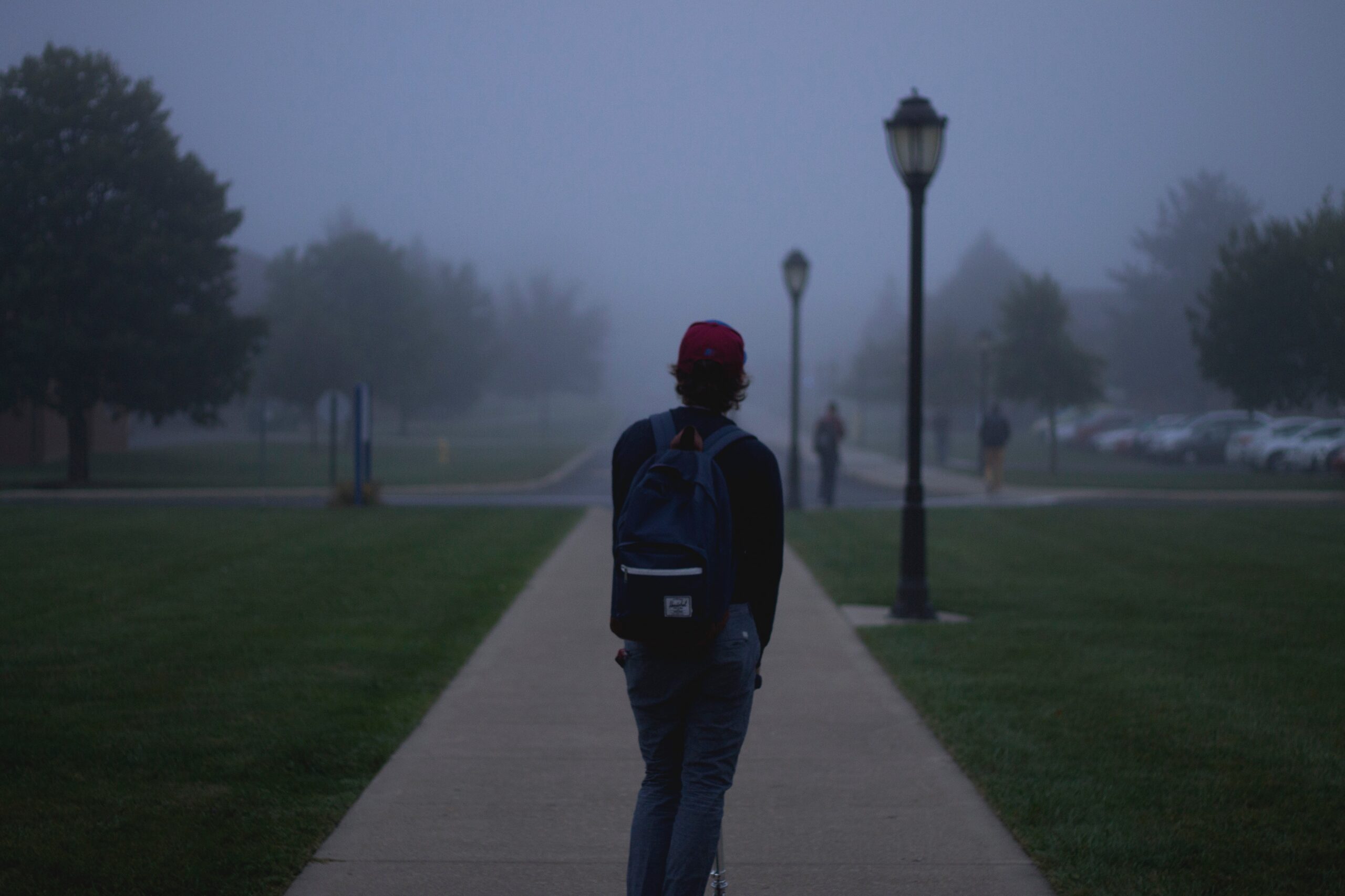
Homesickness in college is one of the most common feelings new students face, and it often starts before move-in day. You might be excited about everything ahead and still feel a pit in your stomach when you think about leaving home.
It is that fabulous time of year when you are finally out on summer break and do not have to think about school until fall. Somehow, though, the fears and worries about leaving home for college start to set in.
Homesickness and fear of missing home are normal for many new high school graduates. The fear of the unknown sets in, and realizing your parents or caregivers will not be at college with you can feel unsettling.
Why Homesickness in College Is So Common
In high school, everything was set up for you: class schedules, homework reminders, and parents checking in. In college, that scaffolding disappears.
Classes could be in the morning, afternoon, or evening. Professors do not follow up, and papers and projects require self-direction no one really taught you.
College asks young adults to figure out everything at once, without the people who used to help them figure things out. With all that change, homesickness in college makes complete sense.

Fears Are Not Always Realized
I remember the summer before my first year of college. It was super exciting to be done with high school, but the idea of leaving home and my friends was on my mind quite often.
I worried about who I was going to meet, whether I would have any friends, and what I would do if I missed home. Yikes! I overlooked all the fun opportunities that awaited me and focused on the possibility of not liking college.
Fast forward to freshman year, and I loved it! Yes, I did miss home, but overall I loved it. I had so many new friends, great classes, and fun things to do.
I did miss home a lot, but I learned ways to cope that helped me get past it. One thing that worked was setting regular times to call home and tell my parents about my week. It was a special time to hear what was going on at home and to give my parents a window into my world.
I also found that going for a walk or going to the gym really helped get my mind off any negative feelings.
10 Tips for Coping With Homesickness in College
- Bring pictures of home and your pets. They help you feel closer to the people and animals you love, and they bring back happy memories.
- Bring a few favorite things from your room. Whether it is the special blanket that has always been at the end of your bed or your favorite stuffed animal, bring it as a comforting reminder of home.
- Call home once a week. Sometimes hearing about home can make you miss it more. It can also be comforting to hear a parent’s or caregiver’s voice, and it can help you feel more relaxed and at ease.
- Get involved. Being idle is one of the most common things that builds isolation and homesickness. Add social gatherings or school activities to your week to connect with others and keep busy having meaningful fun!
- Go where people are when you feel lonely. Head to a common area where students gather, like a cafe, the library, the quad, or even the laundry room (I was there quite often). Seeing others around you can help you feel less isolated and more at ease.
- Stay active and rested. There are few things that make homesickness worse than being overtired and emotionally drained. Keep a healthy self-care plan and good exercise habits so you stay rested and healthy.
- Talk with friends. You are probably not the only student feeling the way you do, and sharing your feelings can be validating. You never know, opening up might help a friend feel less alone too.
- Use healthy distractions. Go for a walk, watch a movie with friends, video chat with friends from home, journal, draw, or dance in your dorm room. Doing something else can ease the pull of wanting to be home.
- Remind yourself of your goals. Set goals for each week, then somewhat larger goals for each quarter or semester. Goals help break up the time at school and give you a sense of accomplishment.
- Count down to your next break. Remind yourself when you will be home next. Making a countdown and fun plans for your visit can help you feel excited instead of just missing home.

Watch Out for the Comparison Trap
There is a comparison trap that hits hard in college. If the person down the hall can go out three nights a week and still pull As while you are barely keeping your head above water, it is easy to decide that something is wrong with you.
Social media can make it worse. Constantly seeing everyone else’s highlight reel makes it easy to feel like you are falling behind.
Most students deal with homesickness in college at some point, even the ones who seem to have it all together. You are seeing their highlights, not their hard nights.
When Homesickness in College Becomes Something More
Everyone gets homesick, and for most students it fades as they adjust to school. Sometimes, though, homesickness in college can be a sign of anxiety or depression that needs more support.
| What you notice | Typical homesickness | Time to reach out for support |
|---|---|---|
| How long it lasts | Comes and goes, and eases after the first few weeks | Lasts two weeks or more without getting better |
| Daily life | You still go to class, eat, and sleep | Skipping classes, meals, or sleep |
| Social life | Slowly making new friends | Spending hours alone in your dorm room |
| Mood | Sad sometimes, but you still enjoy things | Feeling hopeless, numb, or constantly on edge |
| Coping | Calls home and activities help | Nothing helps, or you lean on drinking to cope |
| Grades | Adjusting to a new workload | Grades are slipping and you feel stuck |
The two things we pay attention to most are duration and functioning. If it has been going on for two weeks or more and basics like going to class, sleeping, eating, and keeping up relationships feel hard, it is worth talking to a professional.
Our post on anxiety in college students goes deeper into what to watch for. Organizations like Active Minds also share mental health resources made just for college students.
How Parents Can Help With Homesickness in College

In high school, parents can read the room because they see their kid every day. In college, that is gone, and a student can easily say they are fine on a phone call.
Listen for the quieter signs, like calls that get shorter, grades that slip, or a student who stops mentioning friends. A few simple habits can help your student feel supported from a distance:
- Set a regular time to talk, like a weekly call, so they have something steady to count on.
- Send a care package with photos or small reminders of home.
- Ask open questions about classes, friends, and what they do for fun.
- Share your own experience. Something like, “I am finding this hard too. You being in college is a big change,” can mean a lot.
- If you are worried, frame therapy as a little extra support, not a long-term commitment or a label.
If your student has not left yet, our getting ready for college checklist can help you both get ready.
Campus Counseling or Outside Therapy?
University counseling centers are a reasonable starting point, but many are stretched very thin. In some cases, students can only be seen once a month.
For someone just beginning therapy, that is not enough to build a real relationship or make meaningful progress. For consistent weekly support, seeking a provider outside the university is usually the better option.
Starting during the semester has another benefit. A therapist can write documentation to support a student’s standing with their university, but only if the student is actively in therapy.
Our young adult counseling and life transitions counseling help students work through big changes like starting college. The National Institute of Mental Health also shares simple ways to care for your mental health during stressful seasons.
It Is Natural to Miss the Familiar
Everyone gets homesick, and it does go away as you adjust to school. Remember why you chose your school and what you are working hard toward.
Embrace the time you have at school because it goes by fast. Let me say that again: it goes by so fast!
I never believed my mom when she told me it would feel like I blinked, but five years later I could not believe how fast it went by. Enjoy it, embrace it, make memories, and carpe diem (seize the day), as my friends would say!
Support for Homesickness in College
If homesickness in college has turned into something heavier, you do not have to wait until winter break to get support. Davis-Smith Mental Health sees young adults in person at our New Lenox office and through telehealth.
Clients need to be physically located in Illinois during telehealth sessions. If your student is studying out of state, give us a call at (815) 409-5940 and we can talk through options together.
Frequently Asked Questions
Personalized care
Licensed, caring therapists
Every therapist on our team works with anxiety. We will match you with the right therapist for you.
Anxiety at the center
Anxiety is the foundation of everything we do.
EMDR-trained care
EMDR can help with fears and memories that still feel stuck, even after talking them through.
Every age and stage
From children and teens to young adults and adults.
In-person and telehealth
Our New Lenox office or secure online therapy for clients in Illinois.





In-network with
- Aetna PPO
- Cigna / Evernorth
- BCBS PPO
- UnitedHealthcare
- UMR
- Initial assessment $200
- Ongoing sessions $150
Insurance and rates
Insurance Accepted
We work with most major insurance plans and offer self-pay options. We believe quality mental health care should be accessible. Davis-Smith Mental Health is in-network with the following insurance providers.
We also offer self-pay options and can provide a Superbill for out-of-network benefits.





You don’t have to figure this out alone
If something told you to keep reading this far, trust that feeling. Whether it’s for yourself, your teen, or your young adult, the hardest part is deciding to start. We are here when you are ready.
there is courage in change ♥