
Performance Anxiety Therapy
Helping You Perform Like You Do in Practice, When It Actually Counts
Understanding Performance Anxiety and
Why It Needs Real Support
Performance anxiety therapy helps people who are good at what they do but fall apart under pressure. At Davis-Smith Mental Health in New Lenox, IL, we work with athletes, musicians, dancers, actors, public speakers, and students who shine in practice and then freeze, choke, or blank the moment it matters. If you can nail it in the gym, the practice room, or at home, but the game, recital, audition, or presentation undoes you, you are not alone, and it is not a sign that you lack talent.
Performance anxiety is not a lack of skill or preparation. It is the body’s stress response firing at the worst possible moment, flooding you with adrenaline, racing thoughts, and physical symptoms that get in the way of doing what you already know how to do. It affects beginners and seasoned performers alike, and it responds very well to the right support. We are here to help. We serve clients throughout Will County, including Joliet, Frankfort, Mokena, and Lockport, with telehealth available across Illinois.
According to the National Institute of Mental Health, anxiety disorders are among the most common mental health conditions, and performance situations are one of the most frequent triggers. The cruel part is that the harder you care, the more pressure you feel, and the more anxiety can sabotage the very thing you have worked so hard for. Performance anxiety therapy helps you change your relationship with pressure, calm your body, and learn to trust your preparation, so your performance finally reflects your ability.
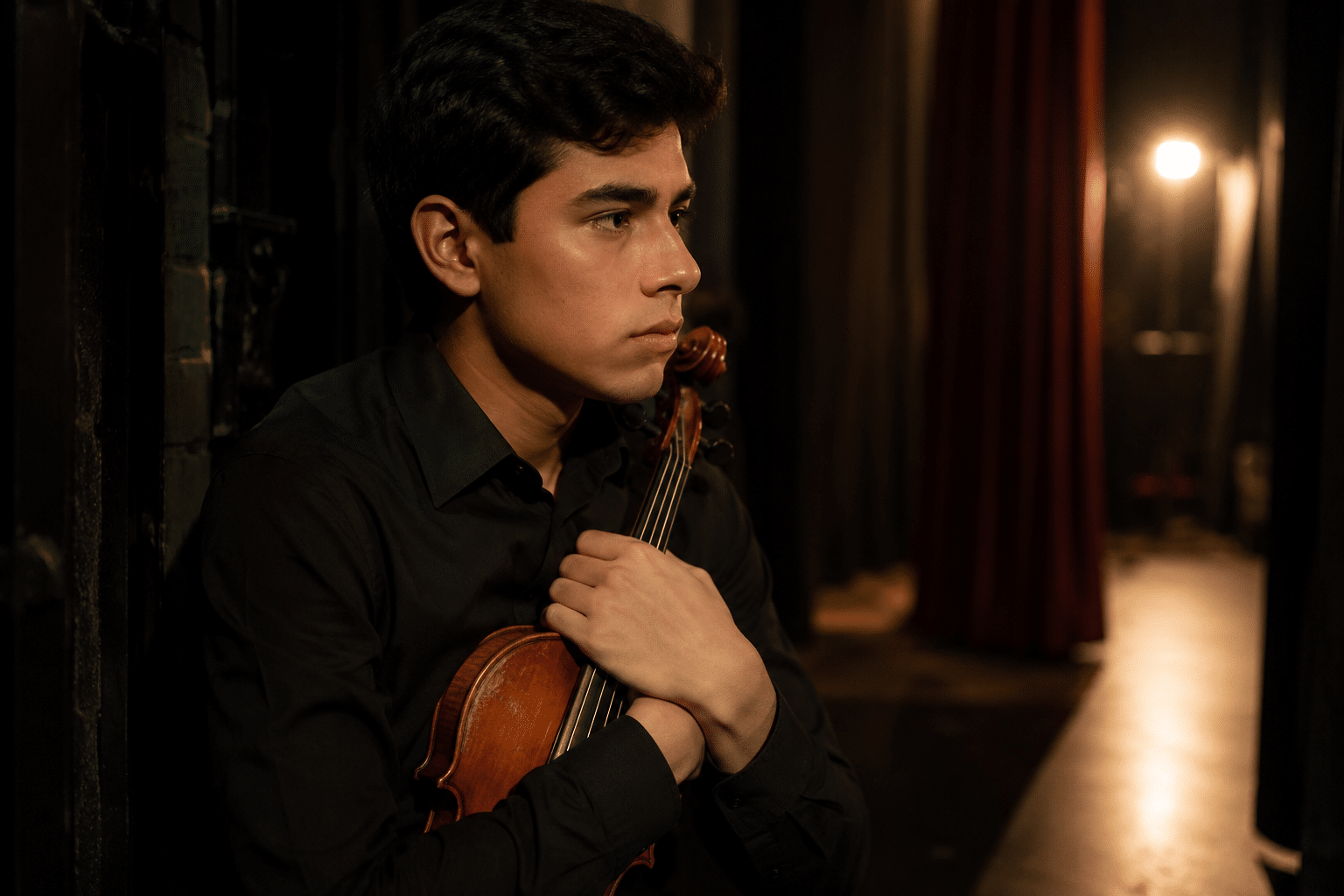
“It is not the mountain we conquer but ourselves.”
– Sir Edmund Hillary
Signs You May Be Struggling With Performance Anxiety
Performance anxiety shows up as a gap between what you can do and what you actually do when it counts. If several of these sound familiar, performance anxiety therapy may help:
Performing Worse Than You Do in Practice
Nailing it in rehearsal, training, or at home, then falling apart the moment there is an audience, a scoreboard, or a grade attached.
Dread and Nausea Before the Event
Feeling sick, shaky, or unable to eat in the hours or days before a game, recital, audition, or presentation.
Going Blank or Freezing
Losing your words, your place, or your focus in the moment, even though you knew it cold five minutes earlier.
Physical Symptoms That Get in the Way
Shaky hands, racing heart, dry mouth, tight chest, or trembling that interfere with how you move, speak, or play.
Avoiding Tryouts, Auditions, or Opportunities
Holding back from chances you want, or finding reasons not to compete, perform, or present, to avoid the fear.
Harsh Self-Criticism Afterwards
Replaying every mistake, beating yourself up for hours or days, and struggling to recognize what actually went well.
Overpreparing Yet Never Feeling Ready
Practicing endlessly and still feeling like it is not enough, because the anxiety is never satisfied.
Thinking About Quitting Something You Love
Considering walking away from a sport, instrument, or activity that matters to you, just to escape the pressure.
Trouble Sleeping Before a Big Day
Lying awake the night before a game, performance, or presentation, unable to switch off the worry.

You Do Not Have to Figure This Out Alone
Living with performance anxiety is exhausting in a way that is hard to explain to people who have not felt it. You prepare, you practice, you do everything right, and the fear still shows up and gets in your way. You second-guess yourself before, during, and after. You watch others who are no more talented than you perform with ease, and you wonder what is wrong with you. The answer is nothing. Your nervous system has simply learned to treat performing as a threat, and that can be unlearned.
Reaching out for performance anxiety therapy is not an admission that you are weak or not cut out for it. It is one of the smartest things a serious performer can do, the same way top athletes work with sport psychologists. Our therapists work with people who are tired of letting nerves rob them of their best, and we meet you exactly where you are. You do not need to have it all figured out. You just need to take one step. We will help with the rest.
The Power of Performance Anxiety Therapy
How Performance Anxiety Therapy Can Help
Performance anxiety therapy gives you more than calming tricks for the big day. It changes your whole relationship with pressure. Here is the difference it can make:
Closing the Practice-to-Performance Gap
Learning to bring what you can do in practice into the moments that count, so your results finally match your ability.
Calming Your Body Under Pressure
Practical tools for the racing heart, shaky hands, and adrenaline rush, so your body works with you instead of against you.
Reframing the Nerves
Learning to read that surge of energy as readiness rather than danger, so it fuels your performance instead of wrecking it.
Quieting the Inner Critic
Challenging the harsh, catastrophic thoughts that hijack your focus before and during a performance.
A Pre-Performance Routine That Works
Building a reliable mental and physical routine that helps you get into the zone on demand.
Recovering From Mistakes in the Moment
Learning to let a slip go and stay present, instead of one error spiraling into a ruined performance.
Facing What You Have Been Avoiding
Getting back to tryouts, auditions, and opportunities you have been ducking, in steps that feel manageable.
Confidence That Lasts
Building genuine, durable self-trust so you can keep doing what you love without dread running the show.
How Performance Anxiety Impacts Daily Life
Performance anxiety does not stay on the field or the stage. It seeps into the days beforehand, ruining sleep, appetite, and focus. It can turn something you once loved into a source of dread, and it can quietly shrink your ambitions as you start avoiding the situations that scare you. Many people carry it silently, assuming everyone else has it figured out, when in truth performance anxiety is one of the most common and most treatable struggles there is.

Pressure, Preparation, and Self-Doubt
The hardest part of performance anxiety is often the build-up. You replay worst-case scenarios, question your preparation, and feel the pressure mount with every passing hour. By the time the moment arrives, you are running on fear instead of skill. Over time, that pattern can erode your confidence and your love for the activity itself. The right support helps you break the cycle, so you can step up and perform like the version of you that shows up in practice.

Performance anxiety therapy helps you manage the pressure, trust your preparation, and perform at your best when it matters most.
Warm, Real, and Built Around You
Our Approach to Performance Anxiety Therapy
At Davis-Smith Mental Health, we treat performance anxiety as something specific and very workable, not as a character flaw. We start by understanding exactly where and how the anxiety shows up for you, whether that is the free-throw line, the audition room, the stage, or the front of a classroom, because the plan has to fit your real situation.
We use evidence-based approaches, including Cognitive Behavioral Therapy, to help you identify and challenge the thoughts that fuel the fear, alongside practical performance psychology tools such as controlled breathing, visualization, and pre-performance routines. We use gradual exposure to help you rebuild confidence in the exact situations that trigger you. We also keep an eye on related struggles such as depression and emotional regulation, which often sit underneath performance anxiety.
Our goal is not just to get you through the next big event. It is to give you genuine, lasting confidence under pressure, so you can keep doing what you love. We believe you have far more capability than your anxiety is currently letting you show. Sometimes you just need the right support to get it back.
We proudly serve clients in New Lenox and the surrounding South Suburbs, with telehealth available throughout Illinois.
Learn more about what to expect when you get started.