
Social Anxiety Therapy for Teens
Helping Teens Feel Less Afraid of Being Seen, Judged, and Left Out
Understanding Social Anxiety and
Why It Needs Real Support
Social anxiety therapy helps teens who live with an intense fear of being judged, embarrassed, or watched. At Davis-Smith Mental Health in New Lenox, IL, we work with teenagers who want friends and a normal social life but feel paralyzed by the fear of saying the wrong thing, looking stupid, or being talked about. Maybe your teen stays quiet in class even when they know the answer, turns down invitations they secretly wish they could accept, or replays every conversation for hours afterwards, convinced they embarrassed themselves.
Social anxiety is not shyness, and it is not a personality flaw your teen needs to get over. Shyness fades as someone warms up. Social anxiety is a persistent, distressing fear of social situations that can take over a teenager’s life, shrinking their world to the few places that feel safe. It is one of the most common anxiety conditions in young people, and it responds very well to the right support. We are here to help. We serve families throughout Will County, including Joliet, Frankfort, Mokena, and Lockport, with telehealth available across Illinois.
According to the National Institute of Mental Health, anxiety disorders are among the most common mental health conditions affecting adolescents, and social anxiety often takes hold during the teenage years, when fitting in feels like everything. Left unaddressed, it can lead to loneliness, missed opportunities, and a habit of avoidance that grows over time. Social anxiety therapy helps teens understand the fear, challenge the harsh stories they tell themselves, and slowly build the confidence to show up as who they really are.

“Vulnerability is not weakness. It takes courage to show up and be seen.”
– Brené Brown
Signs Your Teen May Have Social Anxiety
Social anxiety often hides as ‘my teen is just quiet’ or ‘they prefer to stay in.’ If several of these ring true, social anxiety therapy for teens may help:
Staying Silent in Class
Avoiding raising a hand, answering questions, or presenting, even when they know the material, out of fear of being looked at or judged.
Turning Down Invitations They Want to Accept
Skipping parties, hangouts, and events they actually wish they could go to because the social pressure feels unbearable.
Intense Fear of Embarrassment
A deep, constant worry about saying something stupid, being laughed at, blushing, or doing something humiliating in front of others.
Replaying Conversations for Hours
Going over interactions again and again afterwards, convinced they messed up or that people are judging them.
Physical Symptoms in Social Settings
Blushing, sweating, shaky voice, racing heart, or nausea when the focus is on them or they have to interact.
Avoiding Everyday Interactions
Refusing to order their own food, make phone calls, ask a teacher a question, or use a public restroom because it means being noticed.
Few Friends Despite Wanting Them
Loneliness and isolation that come from fear, not lack of desire. Many socially anxious teens deeply want connection.
Comparison and Withdrawal Fed by Social Media
Measuring themselves against everyone online, feeling left out, and pulling further back from real-life socializing.
Skipping School to Avoid Social Situations
Dreading or avoiding class, lunch, presentations, or group work because being around peers feels overwhelming.

You Do Not Have to Figure This Out Alone
Watching your teen struggle socially is a particular kind of heartache. You see them turn down things other teenagers do without a second thought. You see how much they want to be included and how much the fear holds them back. You are never quite sure whether to gently push or give them space, and either choice feels like it might be the wrong one.
Reaching out for social anxiety therapy is not a sign that you have failed your teen. It is one of the most caring things a parent can do. Our therapists work with anxious teens and their families every day, and we meet each of you where you are. Your teen does not need to be ready to share everything, and you do not need the perfect words. You just need to take one step. We will help with the rest.
The Power of Social Anxiety Therapy for Teens
How Social Anxiety Therapy for Teens Can Help
Social anxiety therapy gives your teen more than coping tips. It changes how they see themselves around other people. Here is the difference it can make:
Quieting the Inner Critic
Helping your teen notice and challenge the harsh, automatic thoughts that tell them they are being judged or are not good enough.
Facing Fears Step by Step
Building confidence through gradual, doable challenges, from speaking up in a small group to joining an activity, so avoidance loses its grip.
Real Social Skills
Practicing conversations, eye contact, and handling awkward moments, so social situations feel less like a test they will fail.
Calming the Body
Tools for the blushing, shaking, and racing heart, so physical symptoms stop feeding the fear of being noticed.
Letting Go of the Replays
Learning to stop the endless after-the-fact analysis that keeps social anxiety alive long after the moment has passed.
A Healthier Relationship With Social Media
Reducing the comparison and FOMO that fuel anxiety, and rebuilding connection in the real world.
Genuine Friendships
Helping your teen show up as themselves so they can build the connections they have been longing for.
Lasting Confidence
Building self-trust and resilience that will serve your teen in college, work, and relationships for the rest of their life.
How Social Anxiety Impacts Daily Life
Social anxiety rarely looks dramatic from the outside. It looks like the teen who eats lunch alone, who never volunteers an answer, who says ‘I’m fine staying home’ a little too quickly. Inside, though, the fear is exhausting. Every interaction is rehearsed, scanned for danger, and dissected afterwards. Over time, avoidance becomes the main coping strategy, and the teen’s world quietly narrows to the few situations that feel safe, often at the cost of friendships, opportunities, and self-esteem.

Friendships, School, and Self-Esteem
Social fear touches almost everything in a teenager’s life. Group projects become dreaded. Speaking in class feels impossible. Parties and after-school activities get declined. Many socially anxious teens end up lonely not because they want to be, but because the fear keeps winning. The longer this goes on, the more it chips away at their confidence and how they feel about themselves. With support, teens learn that they can handle social situations, and that they are far more likeable than their anxiety lets them believe.
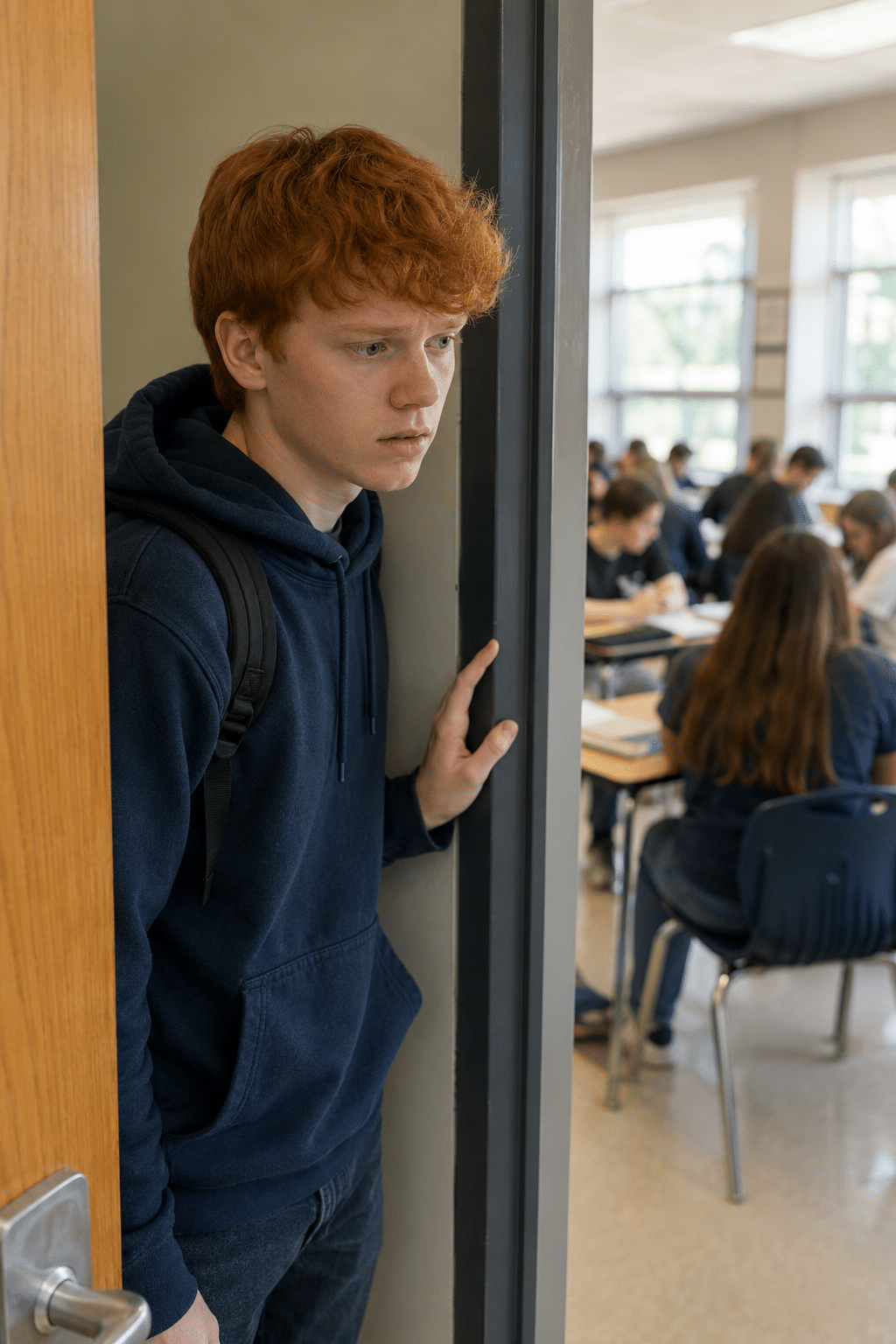
Social anxiety therapy helps teens quiet the fear of judgment, build real friendships, and feel more like themselves around others.
Warm, Real, and Built Around You
Our Approach to Social Anxiety Therapy for Teens
At Davis-Smith Mental Health, we understand that a socially anxious teen is not going to open up to a stranger who feels like one more person judging them. So we go slowly and earn their trust first. Our therapists are warm and real, and we make the space feel safe, because a teen who feels safe is a teen who can do the work.
We use evidence-based approaches, including Cognitive Behavioral Therapy, to help teens identify the thinking traps behind social anxiety, such as mind-reading and assuming the worst, and learn to challenge them. A core part of the work is gentle, gradual exposure, facing feared social situations in small steps so the fear loses its power, paired with practical social skills they can actually use. We also address related struggles such as depression and emotional regulation, which often travel with social anxiety.
Our goal is not to turn your teen into someone they are not. It is to free them from the fear that is keeping them small, so they can show up as themselves and build the connections they want. We believe every socially anxious teen has more courage and likeability than they currently believe.
We proudly serve families in New Lenox, Joliet, Frankfort, Mokena, and Lockport, with telehealth available throughout Illinois.
Sometimes they just need the right support to find it. Learn more about what to expect when you get started.